



TV diffuser sheets play a key role in creating the clear, vibrant images people enjoy on modern screens. These thin layers help spread light evenly across the display, making sure every corner looks bright and smooth. When light is balanced, viewers notice less glare and enjoy more comfortable viewing for longer periods.
Uniform light distribution from these sheets helps reduce visual stress — directly linked to a more comfortable viewing environment for long-duration TV sessions.
| Benefit | Impact |
|---|---|
| Visual Stress Reduction | Minimizes visual stress, leading to a more comfortable viewing experience |
| Importance for Comfort | Directly linked to a more comfortable environment for viewers |
TV diffuser sheets spread light evenly across the screen, creating a clear and vibrant display.
These sheets reduce glare and visual stress, making viewing more comfortable for longer periods.
Manufacturers place diffuser sheets between the backlight and screen to ensure uniform brightness and color consistency.
Common materials include PMMA, PC, and PS, each offering unique optical advantages.
High-quality diffuser sheets prevent hotspots and enhance picture sharpness, even during fast-moving scenes.
Diffuser sheets improve brightness and color uniformity, ensuring a natural, lifelike experience.
Advanced designs, like those from Sunplas, offer durability, energy efficiency, and customizable options.
What Are TV Diffuser Sheets
Definition and Function
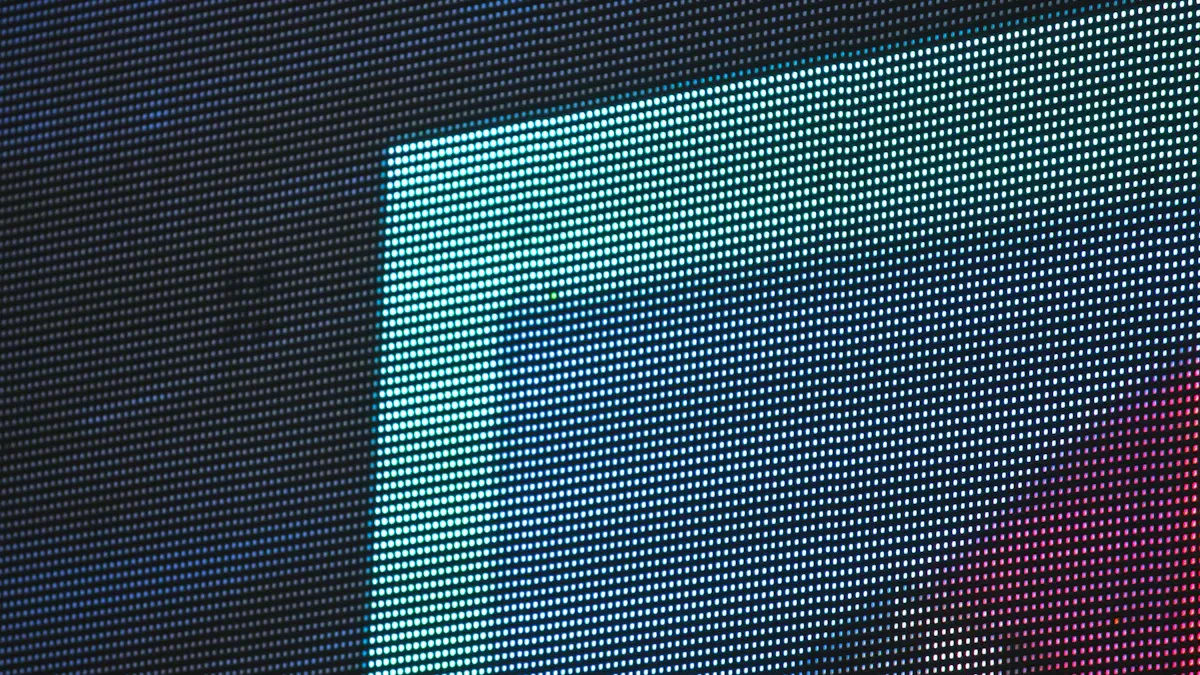
TV diffuser sheets are thin optical layers placed inside television screens to spread light evenly. Their primary job is to ensure the backlight covers every part of the display, creating a soft, non-glare effect that makes images look clear and comfortable. In LCD displays, a diffuser made from materials like PMMA acrylic plastic[1] spreads light uniformly, ensuring consistent image quality and reduced eye strain.
TV diffuser sheets provide soft, non-glare light and enhance the quality of the light source, making images sharper and more pleasant to watch.
Placement in TV Displays
Manufacturers place diffuser sheets between the backlight unit and the main screen layer. This positioning allows the sheets to scatter LED light evenly before it reaches the viewer. The sheets are essential in LCD, OLED, and LED displays — without them, screens may show bright spots or uneven lighting that disrupts the viewing experience.
LCD displays use diffuser sheets to spread light from the backlight.
OLED and LED displays rely on diffuser sheets for even illumination and improved image quality.
Types and Materials
TV diffuser sheets come in several types depending on the material and display requirements. Common materials include PMMA (acrylic), PC (polycarbonate), and PS (polystyrene), each with distinct optical properties.
| Material | Advantages | Disadvantages |
|---|---|---|
| PMMA | High transparency, strong weather resistance, easy to process | Impact resistance is limited |
| PC | High impact resistance | Poor weather resistance, higher cost |
| PS | Good fluidity, easy to process, affordable | Lower transparency, poor weather resistance |
According to peer-reviewed optical research[2], the optimal light transmission rate for display diffusers falls between 70% and 90% — allowing sufficient brightness while effectively scattering light. The haze level controls how evenly light is dispersed, directly affecting image softness.
Sunplas Diffuser Plate uses optical-grade polystyrene (PS), which is lightweight and cost-efficient. Sunplas offers customizable thicknesses from 0.7mm to 3.0mm, delivering up to 85% light transmittance for a soft, uniform glow without hot spots across LCD, OLED, and LED applications.
How TV Diffuser Sheets Work
Even Illumination and Hotspot Prevention
When light passes through diffuser sheets, it scatters in multiple directions — creating a soft, uniform glow across the entire display. This multi-angle refraction ensures balanced brightness from edge to edge, so viewers see a consistent picture without distracting bright patches.
Hotspots are areas on the screen that appear brighter than others. Diffuser sheets scatter directional LED light to prevent visible hotspot patterns, especially noticeable during dark scenes.
Softer, uniform lighting from diffuser sheets minimizes glare and visual fatigue, making it easier to watch TV for extended periods.
Interaction with Backlight Units
TV diffuser sheets work in close coordination with backlight units. The backlight provides the primary light source; the diffuser catches this light and transforms harsh reflections into gentle, diffuse illumination. As detailed in IEEE Spectrum's coverage of LCD technology advances[3], precision light management is central to modern display performance.
| Role | Description |
|---|---|
| Advanced Light Uniformization | Scatters light to eliminate bright spots, achieving uniformity levels exceeding 90% |
| Precision Glare Management | Transforms specular reflections into diffuse light, reducing visual fatigue |
| Viewing Angle Optimization | Achieves viewing angles exceeding 160° through asymmetric diffusion patterns |
| Optical Performance Enhancement | Integrates anti-static properties and UV stabilization for improved durability |
Picture Quality Benefits
Improved Brightness
Diffuser sheets work with the TV's backlight to spread light efficiently across the screen, increasing overall brightness without consuming more energy. By reflecting and redirecting light from LEDs, these sheets make the screen easier to see even in bright rooms.
Reduced Glare
Glare occurs when light bounces off the display into your eyes. Diffuser sheets scatter this light, turning harsh reflections into a soft glow. The result is a screen that stays clear and comfortable for longer viewing sessions — a benefit clearly supported by WHO guidelines on visual health and eye strain prevention[4].
Enhanced Color Uniformity
When colors look consistent across the whole screen, images appear more natural and lifelike. Diffuser sheets spread and mix light to keep brightness and color even from edge to edge, eliminating banding and hotspots that can distract from the picture. Advanced diffuser technologies blend colors smoothly, so every scene remains balanced and true to life.
Sharper Images
When light spreads evenly, every pixel can display its true color and brightness. This prevents blurry edges and keeps images crisp during fast-moving scenes.
Edge-to-Edge Clarity: Sharpness is maintained from the center to the corners — critical for sports, gaming, and cinema content.
Reduced Motion Blur: Controlled light travel minimizes the smearing effect during quick movements.
Enhanced Contrast: Uniform light allows dark and bright areas to stand out more distinctly.
TV Diffuser Sheets and Viewing Comfort
Visual Comfort
TV diffuser sheets improve comfort by controlling how light reaches your eyes. Special patterns — such as hexagonal prism networks — reshape the light path and lower peak brightness before it reaches the viewer. The optical design supports a Unified Glare Rating (UGR) below 19, meaning the screen won't cause discomfort even in brightly lit rooms.
| Aspect | Description |
|---|---|
| Glare Regulation | Keeps glare at a low level, making the screen easier on the eyes |
| Light Path Reshaping | Spreads bright spots so no area is too intense for comfortable viewing |
| Performance Stability | Maintains even light and comfort over time without needing extra coatings |
Real-Life Scenarios
Imagine watching a family movie in a bright living room — sunlight streams through the windows, but the TV picture remains clear and comfortable. Diffuser sheets scatter the backlight so no annoying reflections or bright patches appear, regardless of seating position.
Students using the TV for learning benefit similarly: diffuser sheets support stable light in reading zones, making on-screen text easier to follow and reducing eye fatigue during study sessions.
Technology and Innovation
Advances in Diffuser Sheet Design
TV diffuser sheets have seen remarkable progress in recent years. New technologies allow for thinner screens, brighter images, and more vibrant colors while simplifying assembly.
| Technology | Impact on Display Performance |
|---|---|
| xQDEF Diffuser Plate | Improves contrast and simplifies assembly, enabling cost-effective designs with a wide color gamut |
| Corning Iris Glass | Enhances optical performance and enables thinner TV designs |
| AGC's XCV Glass | Greater stiffness and thermal stability for long-term reliability in thinner form factors |
As noted by the Society for Information Display (SID) Display Industry Awards[5], innovation in optical diffusion technology continues to be recognized as a key driver of display advancement. Sunplas, with over 30 years of optical expertise, leads in this area through advanced production lines supporting rapid delivery and customization.
Durability and Stability
High-quality diffuser sheets must withstand heat, maintain their shape, and deliver consistent performance over time. Manufacturers apply strict quality control measures including compliance with international standards.
| Quality Measure | Description |
|---|---|
| International Standards | Adherence to ISO, ASTM, UL, AS, CE standards |
| In-House Quality Control | Internal checks at every production stage |
| Third-Party Certification | External validation of product quality |
| Product Warranty | Assurance of durability and long-term performance |
| Specification | Description |
|---|---|
| Thickness Tolerance | Typically 1–3mm; ensures proper integration within the TV panel assembly |
| Light Transmission Rate | 70–90% for sufficient brightness with effective diffusion |
| Haze Level | Controls diffusion intensity, influencing how evenly light is scattered |
| Heat Resistance | Essential in high-brightness applications to prevent warping or degradation |
Choosing the Right Diffuser Sheets
What to Look For
Selecting the right TV diffuser sheets is critical for achieving the best picture quality and visual comfort. Key factors to evaluate include:
Material Quality: Optical-grade materials provide better light transmission and durability.
Precision Manufacturing: Panels should be cut to exact specifications for uniformity across the screen.
Optical Performance: Sheets must undergo rigorous testing to verify light transmission and diffusion efficiency.
Quality Control: Strict inspection at every stage ensures flawless final products.
Compliance: Products should meet industry safety and performance standards.
Why Choose Sunplas
Sunplas stands out as a trusted supplier for custom, high-performance diffuser plates. Using optical-grade polystyrene, Sunplas delivers up to 90% light transmission in the visible spectrum with a refractive index of 1.59. Rigorous optical testing ensures consistency and quality in every sheet.
| Feature | Sunplas Diffuser Plates | Other Brands |
|---|---|---|
| Material | Optical-grade polystyrene | Varies |
| Light Transmission Rate | Up to 90% (visible spectrum) | Generally lower |
| Refractive Index | 1.59 | Varies |
| Optical Testing | Rigorous consistency testing | May not guarantee consistency |
| Benefit | Description |
|---|---|
| Even Light Distribution | Uniform brightness — no bright spots or shadows |
| Enhanced Image Clarity | Sharper images, less flickering |
| Improved Color Accuracy | True colors, no distortion |
| Energy Efficiency | Lower power use, saves electricity |
| Longevity of Television | Durable materials extend TV operational life |
Looking for High-Performance TV Diffuser Sheets?
Sunplas provides optical-grade diffuser plates with up to 90% light transmittance, customizable specifications, and proven durability. Whether you need standard or bespoke sizes, our team is ready to help you find the right solution.
Our experts typically respond within 24 hours · Free samples available for qualified buyers
FAQ
TV diffuser sheets use materials like optical-grade polystyrene, acrylic, or polycarbonate to spread light evenly across the screen for smooth, clear images.
Diffuser sheets scatter backlight uniformly, removing bright spots and shadows for even brightness, sharper images, and more vibrant colors.
Yes. By spreading light evenly, diffuser sheets lower glare and prevent harsh reflections, making viewing more comfortable and reducing fatigue during long sessions.
Most modern TVs — including LCD, LED, and OLED models — use diffuser sheets to ensure uniform light and an improved viewing experience.
High-quality sheets, like those from Sunplas, are engineered for durability and maintain stable performance for many years under regular use.
Replacing diffuser sheets requires opening the TV and handling delicate optical components. It is best left to a professional technician to avoid damage.
Sunplas offers optical-grade polystyrene diffuser plates with up to 90% light transmittance, customizable options, and stable quality trusted by manufacturers worldwide.
Yes. Diffuser sheets maximize backlight efficiency, allowing the screen to look brighter without drawing extra power — saving energy over the TV's lifespan.
References
[1] Wikipedia – Liquid-crystal display: https://en.wikipedia.org/wiki/Liquid-crystal_display
[2] Nature Communications – Optical diffusion research: https://www.nature.com/articles/s41467-020-18928-z
[3] IEEE Spectrum – LCD's Bright Future: https://spectrum.ieee.org/lcds-bright-future
[4] World Health Organization – Blindness and Visual Impairment Fact Sheet: https://www.who.int/news-room/fact-sheets/detail/blindness-and-visual-impairment
[5] Society for Information Display – Display Industry Awards: https://www.sid.org/Awards/Display-Industry-Awards


