



ABS vs. PVC Sheet: Comprehensive Comparison for Machine Guards

Choosing between an abs sheet and a PVC sheet for machine guards depends on the demands of the application. Material selection plays a critical role in reducing workplace injuries, as nearly 18,000 workers each year suffer serious harm from machine-related accidents. The right choice also supports compliance with international safety standards, ensuring reliable protection. Plastic Sheet Manufacturer supplies both abs and PVC sheets, helping users balance strength, durability, chemical resistance, cost, and application suitability for optimal safety.
Key Takeaways
ABS sheets offer excellent impact resistance, making them ideal for machine guards in high-impact environments.
PVC sheets excel in chemical resistance, making them suitable for facilities exposed to corrosive substances.
Consider temperature stability when choosing materials; ABS withstands higher temperatures than PVC.
Both ABS and PVC sheets come in various colors and finishes, enhancing safety and visibility in the workplace.
Custom fabrication options are available for both materials, ensuring a perfect fit for any machine guard application.
Evaluate the specific needs of your environment, such as chemical exposure and impact risk, before selecting a material.
Consult with Plastic Sheet Manufacturer for expert guidance on material selection and customization options.
Recyclability is a key factor; ABS sheets are fully recyclable, while PVC requires special handling during recycling.
ABS Sheet and PVC Sheets Overview
Plastic Sheet Manufacturer offers a wide selection of plastic materials, including abs boards and pvc boards, designed for industrial safety and machine guard applications. Their expertise ensures that customers receive reliable products tailored to specific needs.
ABS Sheet Features
ABS boards stand out for their impressive mechanical and chemical properties. These abs sheets deliver high impact resistance and maintain toughness across a broad temperature range. The surface of abs boards is glossy and smooth, making them suitable for both functional and decorative uses. The following table summarizes the primary features of abs sheets:
Property | Description |
|---|---|
Appearance | Opaque, ivory-colored granular or bead-like |
Density | Approximately 1.03 – 1.06 g/cm³ |
Hardness | Shore D hardness is about 100, with good surface hardness |
Glossiness | High surface finish, good gloss |
Dimensional Stability | Good dimensional stability within a certain temperature range |
Heat Deflection Temp | Approximately 85℃ – 118℃, can be improved by annealing |
Cold Resistance | Toughness at -40℃, usable from -40℃ to 100℃ |
Wear Resistance | Excellent wear resistance |
Insulation | Good electrical insulation, unaffected by temperature and humidity |
Water Absorption | Low water absorption rate |
Corrosion Resistance | Resistant to water, inorganic salts, and some acids |
Chemical Resistance | Good resistance to common chemicals |
Solubility | Insoluble in most alcohols, soluble in aldehydes and ketones |
Stability | Chemically stable at room temperature, prone to aging under UV |
Flammability | Flammable, burns slowly with a yellow flame and black smoke |
ABS boards provide reliable performance in environments where impact and durability matter most. These abs sheets also offer excellent electrical insulation and low water absorption, making them ideal for machine guards.
PVC Sheets Features
PVC boards deliver versatility and strength for a wide range of industrial uses. These pvc boards feature a UL 94 V-0 flame rating, which means they resist fire and provide added safety. PVC boards can be painted, screen printed, heat bent, and vacuum formed. They bond easily to wood, paper, and other plastics. The material is cost-effective and suitable for many manufacturing and engineering applications.
Chemical and corrosion resistance
High strength-to-weight ratio
Easy fabrication and welding
Superior heat distortion
No plasticizers or fillers
Oversized sheet options
Excellent electrical insulation
Self-extinguishing and flame resistant
PVC boards perform well in environments where chemical exposure and fire safety are priorities. These pvc sheets also maintain dimensional stability and low moisture absorption.
Common Machine Guard Applications
ABS boards and pvc boards serve as essential components in machine guard systems. Their properties make them suitable for various applications:
ABS boards protect operators from moving parts in machinery, offering impact resistance and toughness.
PVC boards line chemical processing tanks, laboratory workstations, and electrical cabinets, providing corrosion resistance and flame retardancy.
Both abs boards and pvc boards are used in air handling systems, pool components, and fabricated piping, ensuring safety and durability.
Machine guards made from abs boards and pvc boards help maintain workplace safety and meet industry standards. Plastic Sheet Manufacturer supplies both materials, supporting customers with expert guidance and quality products.
Mechanical Properties
Strength and Impact Resistance
ABS Sheet Performance
ABS sheets show high impact resistance, making them a reliable option for machine guards. The mechanical properties of abs sheets allow them to absorb shocks and protect operators from moving parts. Many industries choose abs sheet for its excellent toughness and ability to withstand sudden impacts. The surface of abs sheets remains smooth even after repeated use, which helps maintain safety and appearance.
Tip: Machine guards made from abs sheets often last longer in environments where equipment moves quickly or where accidental bumps occur.
The following table compares the mechanical properties of abs and pvc sheets:
Property | ABS | PVC |
|---|---|---|
Tensile Strength | 40–50 MPa | 50–80 MPa (rigid); 10–25 MPa (flexible) |
Impact Resistance | High (excellent toughness) | Moderate (rigid is brittle; plasticized PVC improves flexibility) |
ABS sheets deliver consistent performance in applications that require high impact resistance. The material’s toughness ensures that machine guards remain effective over time.
PVC Sheets Performance
PVC sheets offer moderate impact resistance. Rigid pvc sheets can be brittle, but plasticized pvc sheets improve flexibility. Many industries use pvc sheets for machine guards in environments where chemical exposure is common. The mechanical properties of pvc sheets make them suitable for areas where fire safety and corrosion resistance matter most.
Durability and Toughness
ABS sheets provide outstanding durability. The mechanical properties of abs sheet allow it to resist wear and tear, even in demanding industrial settings. The material’s toughness helps prevent cracks and breaks, which keeps machine guards functional and safe. PVC sheets also show good durability, especially in environments with moisture or chemicals. Both materials maintain their shape and strength over time, supporting long-term safety.
ABS sheets resist scratches and dents.
PVC sheets withstand exposure to chemicals and moisture.
Flexibility and Rigidity
The flexibility and rigidity of a material affect how well it performs as a protective barrier. ABS sheets are more flexible, which allows them to absorb impacts and bend slightly without breaking. PVC sheets are more rigid, which helps them maintain their shape and provide strong protection.
Material | Flexibility | Rigidity |
|---|---|---|
ABS | More flexible | Less rigid |
PVC | Less flexible | More rigid |
ABS sheets work well in situations where flexibility is important. PVC sheets are ideal for machine guards that require a firm, stable structure.
Note: Plastic Sheet Manufacturer offers both abs sheet and pvc sheets, allowing customers to choose the best material for their specific needs.
The mechanical properties of abs and pvc sheets help users select the right material for machine guards. Each material offers unique benefits, supporting safety and performance in different environments.
Chemical and Environmental Resistance
Chemical Resistance
ABS Sheets in Industrial Settings
ABS sheets perform well in environments where exposure to chemicals is common. Many industries choose abs for machine guards because it resists water, acids, alkalis, and various oils. This resistance means that abs sheets do not corrode or degrade easily, even when exposed to harsh substances. The excellent chemical resistance of abs makes it a strong choice for industrial equipment and protective casings. Workers rely on abs sheet for its durability and ability to maintain performance in challenging settings. Good heat resistance and dimensional stability further enhance the value of abs sheets in these applications.
Resists water, acids, alkalis, and oils
Maintains structure and function in chemical environments
Supports long-term use in industrial machine guards
PVC Sheets in Moist Environments
PVC sheets also offer strong chemical resistance, especially in moist or corrosive environments. Many facilities use pvc sheets for machine guards in laboratories, chemical processing plants, and areas with frequent cleaning. The material stands up to exposure from a wide range of chemicals and maintains its integrity over time. PVC sheets provide fire resistance and help protect equipment and workers from chemical hazards.
Performs well in wet or humid conditions
Withstands exposure to many chemicals
Offers fire resistance for added safety
Temperature Stability
Temperature resistance plays a key role in the performance of machine guards. ABS sheets show good heat resistance, allowing them to function in environments with changing temperatures. The material maintains its shape and strength, even when exposed to heat or cold. This heat tolerance makes abs sheets suitable for machine guards near motors or other heat sources. PVC sheets also provide reliable temperature resistance. They remain stable and do not deform easily under normal operating conditions. Both abs and pvc sheets deliver consistent performance, supporting safety and reliability.
Note: Heat resistance and temperature resistance ensure that machine guards made from abs or pvc sheets can handle daily industrial demands.
UV and Weather Resistance
Outdoor machine guards must withstand sunlight and weather changes. ABS sheets, when UV-stabilized, offer protection against fading and aging from sun exposure. Standard abs may not resist UV rays as well, but black abs provides an enhanced lifespan outdoors. PVC sheets, especially those with UV stabilizers, are suitable for exterior use. Rigid pvc is often used for cladding and piping because of its cost-effectiveness and dimensional stability.
Material | UV Resistance | Weather Resistance |
|---|---|---|
ABS | UV-stabilized | Yes |
Standard ABS | No | No |
Black ABS | Enhanced lifespan | Yes |
PVC | With UV stabilizer | Yes |
PVC sheets and abs sheets both offer fire resistance, which is important for outdoor and indoor safety. Their ability to resist weather and UV damage helps maintain the effectiveness of machine guards over time.
Cost and Availability
Material Cost Comparison
When selecting materials for machine guards, cost plays a significant role. ABS sheets and PVC sheets both offer cost-effective solutions, but their pricing can vary based on thickness, size, and specific requirements. ABS sheets generally have a slightly higher price point due to their superior impact resistance and toughness. PVC sheets, on the other hand, are often chosen for projects where budget is a primary concern and chemical resistance is essential. Both materials provide excellent value for their performance, making them popular choices in industrial settings.
Note: Choosing the right material depends on the balance between initial investment and long-term benefits. Both abs and pvc sheets deliver strong returns for machine guard applications.
Service Life Value
The service life of a material affects its overall value. ABS sheets and PVC sheets both offer reliable performance, but their longevity can differ depending on the environment.
ABS plastic products have an indoor lifespan of approximately 10 years.
Outdoor use of abs sheets can last up to 5 years.
Environmental factors such as heat, oxygen, water, light, microorganisms, and chemicals can influence the aging of abs sheets and may lead to changes in physical properties.
PVC sheets also provide a long service life, especially in environments with high moisture or chemical exposure. Their resistance to corrosion and weathering helps maintain their structural integrity over time. When evaluating service life, users should consider the specific conditions of their application to maximize value.
Sourcing from Plastic Sheet Manufacturer
Plastic Sheet Manufacturer offers a reliable supply of both abs sheets and pvc sheets. Customers benefit from consistent lead times and prompt shipping, ensuring projects stay on schedule. The following table highlights the availability for abs sheets:
Product Type | Lead Time | Shipping Time |
|---|---|---|
ABS Sheets | 2 days after full payment |
Plastic Sheet Manufacturer maintains a robust inventory and efficient production process. This approach allows customers to plan confidently and receive high-quality abs sheet and pvc sheets when needed. The company’s expertise in plastic materials ensures that clients receive guidance on the best options for their machine guard requirements.
Tip: Early consultation with Plastic Sheet Manufacturer can help optimize material selection and streamline the procurement process.
Processing and Customization
Machining ABS Sheets
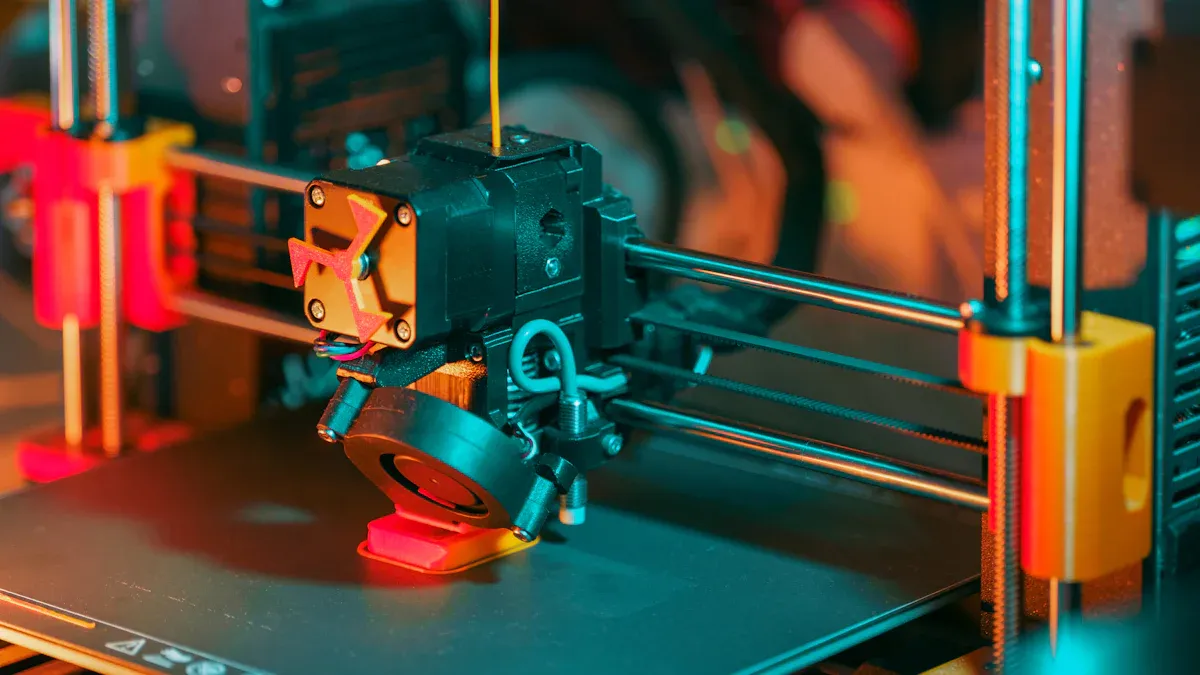
Machining abs sheets requires careful technique to achieve the best results for machine guards. Many manufacturers use milling to create complex shapes and surfaces from abs. Turning shapes cylindrical parts on a lathe, which is useful for custom machine guard components. Drilling creates holes in abs sheets, but operators must manage speed to prevent defects. Laser cutting works well for intricate designs that need high precision, while mechanical cutting with jigsaws or CNC routers suits larger, less complex shapes.
To ensure optimal performance, machinists often select machine-grade abs for better stability. Sharp tools help minimize melting and resistance during cutting or shaping. Maintaining a minimum wall thickness of 0.5 mm supports structural integrity, especially in safety-critical applications. These practices help produce reliable and durable machine guards from abs sheets.
Tip: Using the right machining technique for abs can extend the lifespan of machine guards and improve workplace safety.
Fabricating PVC Sheets
Fabricating PVC sheets for machine guards involves several advanced methods. Custom guard design often starts with photogrammetry and laser scanning. These technologies allow engineers to model complex surfaces in 3D, helping clients visualize the fit before production begins. This approach ensures that each PVC guard matches the specific requirements of the machinery.
In-house manufacturing capabilities include producing lightweight, impact-resistant plastic guards. Fabrication and forming methods shape PVC sheets into transparent and durable barriers. These techniques make PVC guards suitable for environments where visibility and protection are both important. The ability to create custom shapes and sizes allows for a perfect fit around moving parts or sensitive equipment.
Note: Fabricated PVC guards provide both safety and clarity, making them a popular choice in laboratories and industrial settings.
Assembly and Joining Methods
Assembly and joining methods play a key role in the effectiveness of machine guards made from abs and PVC sheets. For abs, solvent welding and mechanical fastening are common. Solvent welding uses a chemical agent to bond sheets together, creating a strong and seamless joint. Mechanical fasteners, such as screws or bolts, allow for easy disassembly and maintenance.
PVC sheets can be joined using heat welding, which fuses the material at the seams for a watertight and durable connection. Adhesives designed for plastics also work well for both abs and PVC, providing flexibility in assembly. Choosing the right joining method depends on the application, required strength, and need for future modifications.
Proper assembly ensures that machine guards remain secure and effective throughout their service life.
Custom Options for Machine Guards
Machine guards often require customization to meet the unique needs of different machines and environments. Plastic Sheet Manufacturer provides a wide range of custom options for both ABS and PVC sheets, ensuring that each guard delivers optimal safety and performance.
1. Thickness and Size Selection
Customers can choose from various thicknesses and sheet sizes. Thicker sheets offer greater impact resistance and durability, while thinner sheets provide flexibility and lighter weight. Plastic Sheet Manufacturer offers standard and oversized sheets, making it easy to match the guard to the specific dimensions of any machine.
2. Color and Finish Choices
Color plays a key role in safety and visibility. ABS and PVC sheets come in a variety of colors, including high-visibility options like yellow, orange, and red. These colors help operators quickly identify guarded areas. For environments where aesthetics matter, ABS sheets provide a glossy finish, while PVC sheets can be produced with matte or textured surfaces to reduce glare.
Feature | ABS Sheet Options | PVC Sheet Options |
|---|---|---|
Thickness | 0.5 mm to 10 mm+ | 0.5 mm to 20 mm+ |
Colors | Black, white, custom | Grey, clear, custom |
Surface Finish | Glossy, smooth | Matte, textured, smooth |
3. Cut-to-Shape and Forming
Plastic Sheet Manufacturer uses advanced cutting and forming technologies. CNC routing, laser cutting, and thermoforming allow for precise shapes and complex designs. These methods ensure that guards fit perfectly around moving parts, control panels, or irregular surfaces.
Tip: Custom-shaped guards can improve safety by eliminating gaps and reducing the risk of accidental contact.
4. Add-On Features
Many machine guards require extra features for enhanced functionality. Plastic Sheet Manufacturer can add cutouts for switches, windows for visibility, or ventilation slots for airflow. Mounting holes and brackets can also be integrated during fabrication, making installation quick and secure.
5. Branding and Compliance Markings
Custom machine guards can include company logos, safety warnings, or compliance labels. These markings help with workplace organization and support regulatory requirements.
6. Specialized Properties
For demanding environments, Plastic Sheet Manufacturer offers ABS and PVC sheets with special properties. Options include UV stabilization for outdoor use, anti-static coatings for electronics, and flame-retardant grades for high-risk areas.
Note: Early consultation with the manufacturer helps identify the best custom options for each application.
Plastic Sheet Manufacturer’s expertise in customization ensures that every machine guard meets the highest standards for safety, durability, and compliance. Their wide range of options allows customers to create solutions tailored to their exact needs.
Application Guide
When to Choose ABS Sheet
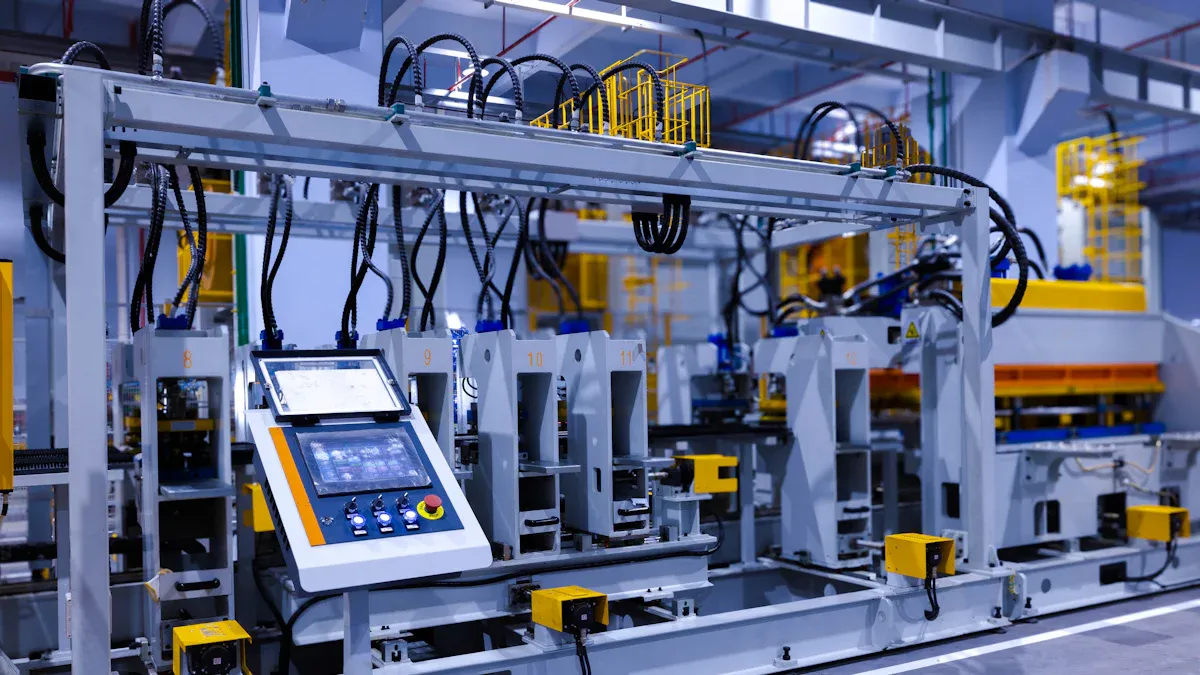
ABS sheets offer excellent impact resistance and toughness. Many industries select abs for machine guards in high-impact environments. The material absorbs shocks and protects operators from moving parts. ABS sheets are easy to fabricate, cut, and drill. They perform well in areas where equipment moves quickly or where accidental bumps may occur.
Plastic Sheet Manufacturer provides abs sheets in various thicknesses and sizes. Thicker sheets deliver greater structural integrity, while thinner sheets offer flexibility. Customers can choose from glossy, matte, or textured finishes to match their application needs. Color options include black, white, and custom colors. UV resistance varies, with darker colors providing better protection outdoors. High-impact grades of abs sheet withstand thermal stress and maintain performance over time.
Tip: Select abs sheets for machine guards that require superior strength, durability, and custom shapes.
The following table highlights key factors for choosing abs sheets in high-impact environments:
Factor | Description |
|---|---|
Thickness | Ranges from 0.060 to 0.250 inches or more; thicker sheets provide better impact resistance |
Size and Dimensions | Standard 4 × 8 feet; custom sizes available |
Surface Finish | Glossy, matte, or textured options |
Color and UV Resistance | Multiple colors; darker colors offer improved UV protection |
Temperature Resistance | Heat deflection temperature around 200°F; high-impact grades perform well under thermal stress |
Ease of Fabrication | Simple to cut, drill, and thermoform |
Cost-Effectiveness | Higher initial cost, but lower total cost of ownership due to durability |
When to Choose PVC Sheets
PVC sheets provide strong chemical resistance and flame retardancy. Many laboratories and chemical processing plants use pvc sheets for machine guards. The material resists corrosion and maintains integrity in moist or humid environments. PVC sheets are rigid and stable, making them suitable for guards that require a firm structure.
Plastic Sheet Manufacturer offers pvc sheets in a range of thicknesses and colors. Customers can select clear, grey, or custom colors. PVC sheets are easy to fabricate and weld. The material performs well in areas where fire safety and chemical exposure are priorities.
Note: Choose pvc sheets for machine guards in environments with frequent chemical contact, moisture, or fire risk.
Decision Factors
Machine Type
The type of machine influences material selection. Machines with fast-moving parts or high-impact risks benefit from abs sheets. Equipment exposed to chemicals, moisture, or heat often requires pvc sheets. Custom guards can be designed to fit unique machine shapes and sizes.
Operating Environment
The environment plays a key role in choosing between abs and pvc sheets. Industrial settings with frequent impacts or mechanical stress favor abs sheets. Laboratories, food processing plants, and chemical facilities often use pvc sheets for their resistance to corrosion and moisture.
The following table compares properties of abs sheets and pvc sheets:
Property | ABS Sheets | PVC Sheets |
|---|---|---|
Impact Resistance | Excellent impact resistance | Moderate impact resistance |
Chemical Resistance | Good resistance to acids and alkalis | Excellent chemical resistance |
Temperature Resistance | Moderate (−20°C to 80°C) | Limited (−10°C to 60°C) |
Safety and Compliance
Machine guards must meet safety and compliance requirements. Guards should prevent contact with moving parts and remain securely attached. Materials must withstand industrial use and environmental exposure. Both abs sheets and pvc sheets resist oils, chemicals, and UV light. Protective coatings enhance durability against lubricants and chemicals. UV-stabilized materials prevent brittleness and discoloration outdoors.
Requirement Type | Description |
|---|---|
Safety Standards Compliance | Guards prevent contact with moving parts and stay securely attached |
Material Strength and Durability | Sturdy materials withstand industrial use and environmental exposure |
Environmental Resistance | Materials resist oils, chemicals, and UV light |
Chemical-Resistant Coatings | Protective coatings improve durability against lubricants and chemicals |
UV-Stabilized Materials | UV resistance prevents brittleness and discoloration outdoors |
Tip: Consult Plastic Sheet Manufacturer for tailored solutions that meet safety and compliance standards.
Plastic Sheet Manufacturer supports customers with expert guidance and a wide product range. Their team helps select the right material for each machine guard scenario. Custom options ensure guards fit perfectly and deliver optimal safety.
Environmental Impact
Recyclability
Recycling plays a key role in reducing waste from machine guard materials. ABS sheets offer a high recycling rate. Workers can thermally reprocess ABS, which lowers recycling costs and supports a circular economy. PVC sheets present more challenges. The recycling process for PVC requires dechlorination, which uses more energy and makes recycling less efficient.
Material | Recycling Rate | Notes |
|---|---|---|
ABS | Can be thermally reprocessed, with lower recycling costs compared to PVC. | |
PVC | Complex | Requires dechlorination, making the process energy-intensive. |
ABS sheets stand out for their ability to be recycled completely. This feature helps minimize landfill waste and reduces the demand for new raw materials. PVC sheets, while durable, require special handling during recycling. The process for PVC can release harmful substances if not managed properly. Plastic Sheet Manufacturer encourages responsible disposal and recycling practices for both materials.
️ Choosing recyclable materials supports environmental sustainability and helps industries meet green standards.
Eco-Friendly Manufacturing
Manufacturing methods impact the environment in several ways. ABS plastic does not contain chlorine, which lowers the risk of toxic chemical leaching. The recycling of ABS reduces waste and conserves resources. However, ABS production can use significant energy, which may increase carbon emissions unless renewable energy sources are used.
PVC manufacturing presents unique challenges. The disposal of PVC can release harmful substances. The process requires careful management to prevent environmental risks. Companies that produce PVC must follow strict guidelines to ensure safe handling and minimize pollution.
Plastic Sheet Manufacturer adopts eco-friendly practices in its production lines. The company uses advanced recycling systems for ABS, which helps reduce landfill waste. They monitor energy use and strive to lower emissions. Their commitment to sustainability includes sourcing materials responsibly and promoting recycling among customers.
ABS plastic can be recycled, reducing waste and resource consumption.
The recycling of ABS helps minimize landfill waste and the demand for new raw materials.
ABS does not contain chlorine, reducing the risk of leaching toxic chemicals compared to PVC.
ABS manufacturing processes can be energy-intensive, contributing to carbon emissions if not managed with renewable energy.
Sustainable manufacturing supports cleaner environments and healthier workplaces.
Plastic Sheet Manufacturer leads the industry with eco-friendly solutions. Their focus on recyclability and responsible manufacturing helps customers choose materials that protect both workers and the planet.
ABS Sheets vs. PVC Sheets Summary Table
Selecting the right material for machine guards requires a clear understanding of the differences between ABS sheets and PVC sheets. Many industries rely on these materials for safety, durability, and compliance. Plastic Sheet Manufacturer provides both options, helping customers match their needs with the best solution.
The following summary table compares the most important properties of ABS sheets and PVC sheets. This table highlights impact resistance, chemical resistance, temperature stability, and aesthetic appeal. These factors guide users in choosing the right material for their machine guard applications.
Property | ABS Sheets | PVC Sheets |
|---|---|---|
Impact Resistance | Excellent impact resistance | Moderate impact resistance |
Chemical Resistance | Good resistance to a wide range of chemicals | Excellent chemical resistance |
Temperature Resistance | Moderate, -20°C to 80°C | Limited, -10°C to 60°C |
Aesthetic Appeal | Wide range of colors, easily painted/printed | Various colors and finishes available |
Key Takeaways:
ABS sheets deliver outstanding impact resistance. Machine guards made from ABS protect operators in environments with moving parts or frequent impacts.
PVC sheets excel in chemical resistance. Facilities with exposure to corrosive substances or moisture often select PVC for its reliability.
Temperature resistance differs between the two materials. ABS sheets withstand higher temperatures, making them suitable for areas near heat sources. PVC sheets perform well in moderate conditions.
Both materials offer a variety of colors and finishes. ABS sheets can be painted or printed easily, while PVC sheets provide multiple surface options.
Tip: Consider the operating environment and safety requirements before selecting a material. Machine guards must meet industry standards and provide long-term protection.
Additional Comparison Points:
ABS sheets provide a glossy finish, which enhances appearance and visibility. PVC sheets offer matte and textured surfaces, reducing glare in workspaces.
Both materials support custom fabrication. Plastic Sheet Manufacturer uses advanced cutting and forming techniques to create guards that fit any machine.
Cost varies based on thickness and size. ABS sheets may have a higher initial price, but their durability often reduces replacement costs. PVC sheets offer a cost-effective solution for projects with strict budgets.
Checklist for Material Selection:
Assess impact risk in the workplace.
Evaluate chemical exposure and moisture levels.
Review temperature requirements for machine guards.
Choose colors and finishes that improve safety and visibility.
Consult with Plastic Sheet Manufacturer for expert guidance and custom options.
Note: The right material ensures compliance, safety, and performance. Plastic Sheet Manufacturer supports customers with reliable products and tailored solutions.
ABS sheet and PVC sheets show key differences in impact resistance, chemical durability, and application suitability. ABS offers robust toughness for machine guards in high-impact environments, while PVC excels in chemical resistance and flame retardancy. The table below helps users select the right thickness for their needs:
Thickness Range (mm) | Application Examples | Key Features |
|---|---|---|
0.3 – 0.5 | Delicate electronics, liners | Lightweight, insulation |
1.0 – 1.5 | Consumer electronics, toys | Rigidity, balanced weight |
2.0 – 3.0 | Machine guards, dashboards | Durability, impact absorption |
Consulting Plastic Sheet Manufacturer improves material selection by providing expert guidance, insights on durability, and access to custom fabrication. They help match mechanical requirements, environmental conditions, and compliance needs. Choosing the right material ensures safety and long-term performance.
FAQ
What is the main difference between ABS and PVC sheets for machine guards?
ABS sheets offer higher impact resistance and toughness. PVC sheets provide better chemical resistance and flame retardancy. The choice depends on the specific needs of the machine guard application.
Can ABS and PVC sheets be used outdoors?
Both materials can be used outdoors. UV-stabilized ABS and PVC sheets resist sunlight and weather. For long-term outdoor use, select sheets with added UV protection from Plastic Sheet Manufacturer.
Are ABS and PVC sheets safe for food processing environments?
PVC sheets meet many food safety standards and resist chemicals used in cleaning. ABS sheets also perform well in controlled environments. Always check with Plastic Sheet Manufacturer for compliance with specific regulations.
How do I choose the right thickness for a machine guard?
Select thickness based on impact risk and machine type. Thicker sheets provide more protection. Plastic Sheet Manufacturer offers guidance and custom sizing for every application.
Can I customize the color and finish of my machine guard?
Yes. Both ABS and PVC sheets come in various colors and finishes. Options include glossy, matte, and textured surfaces. Custom colors improve visibility and match workplace safety needs.
What fabrication methods work best for ABS and PVC sheets?
ABS sheets respond well to machining, drilling, and thermoforming. PVC sheets are easy to cut, weld, and form. Plastic Sheet Manufacturer uses advanced techniques for precise, custom machine guards.
Are ABS and PVC sheets recyclable?
ABS sheets are fully recyclable and support sustainable practices. PVC sheets require special recycling processes. Plastic Sheet Manufacturer encourages responsible disposal and recycling for both materials.
Where can I get expert advice on selecting machine guard materials?
Contact Plastic Sheet Manufacturer for expert guidance. Their team helps match material properties to your safety and compliance needs.


